![]() |
| Run 1. Seward, Alaska. |
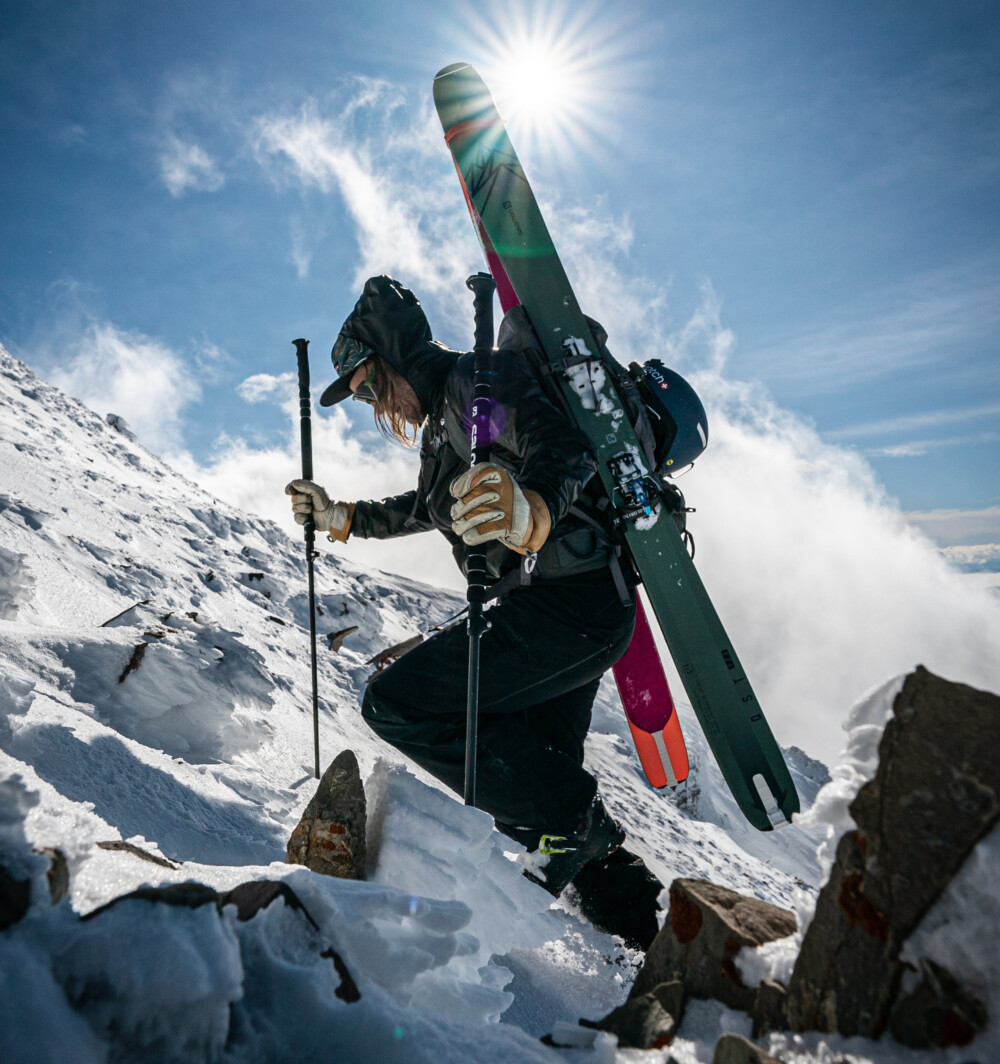
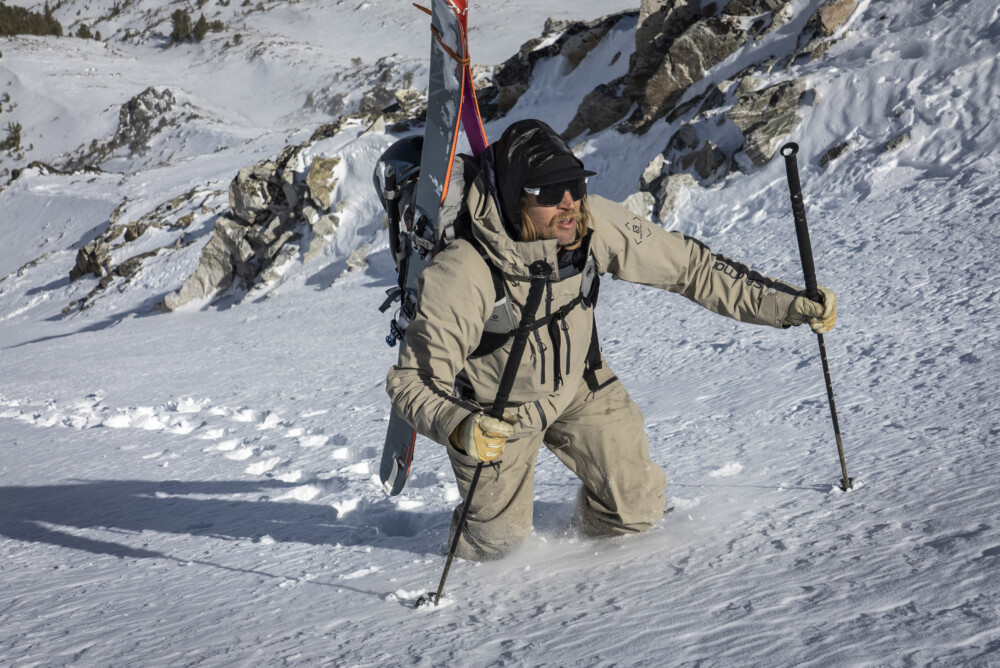
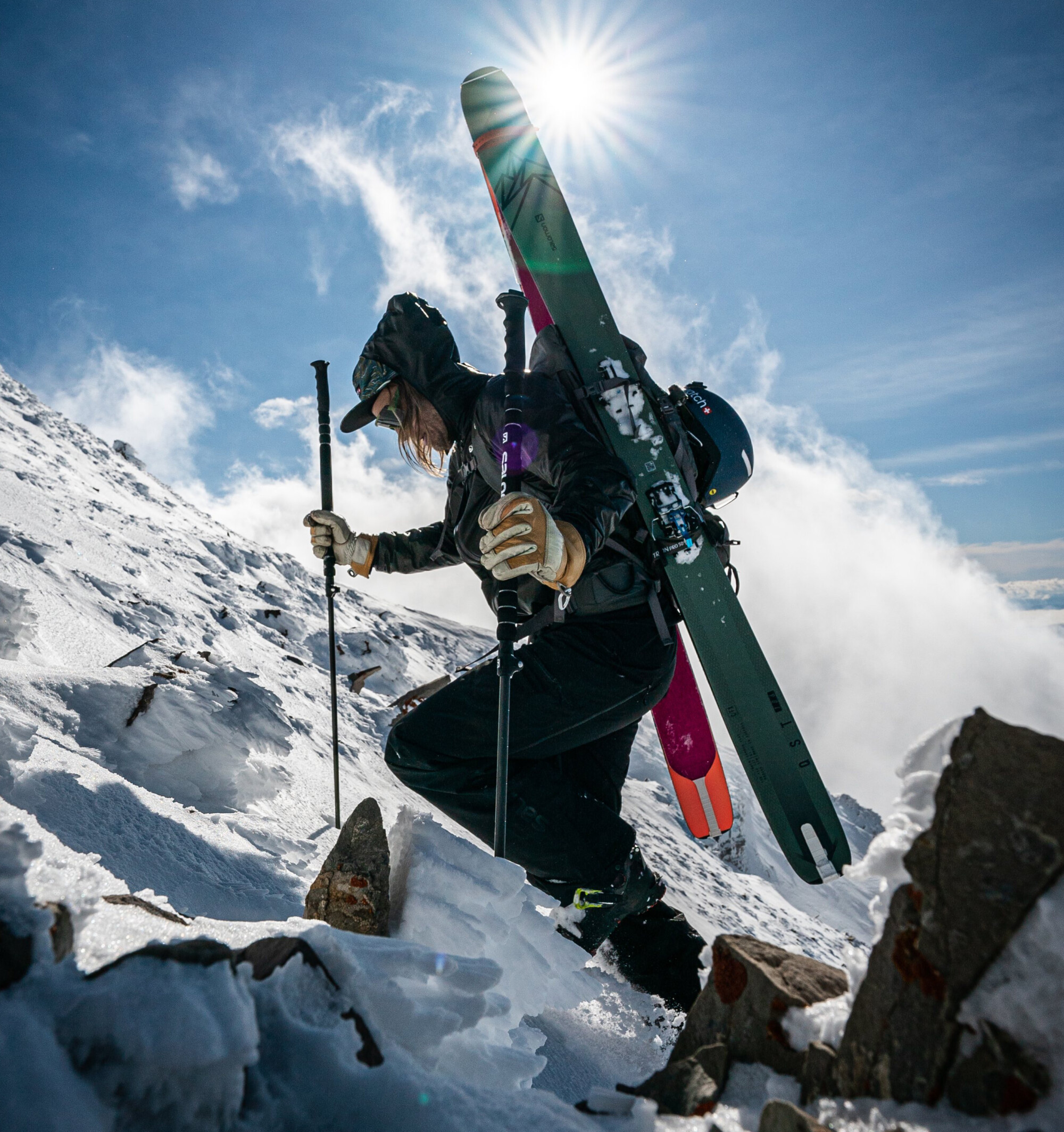
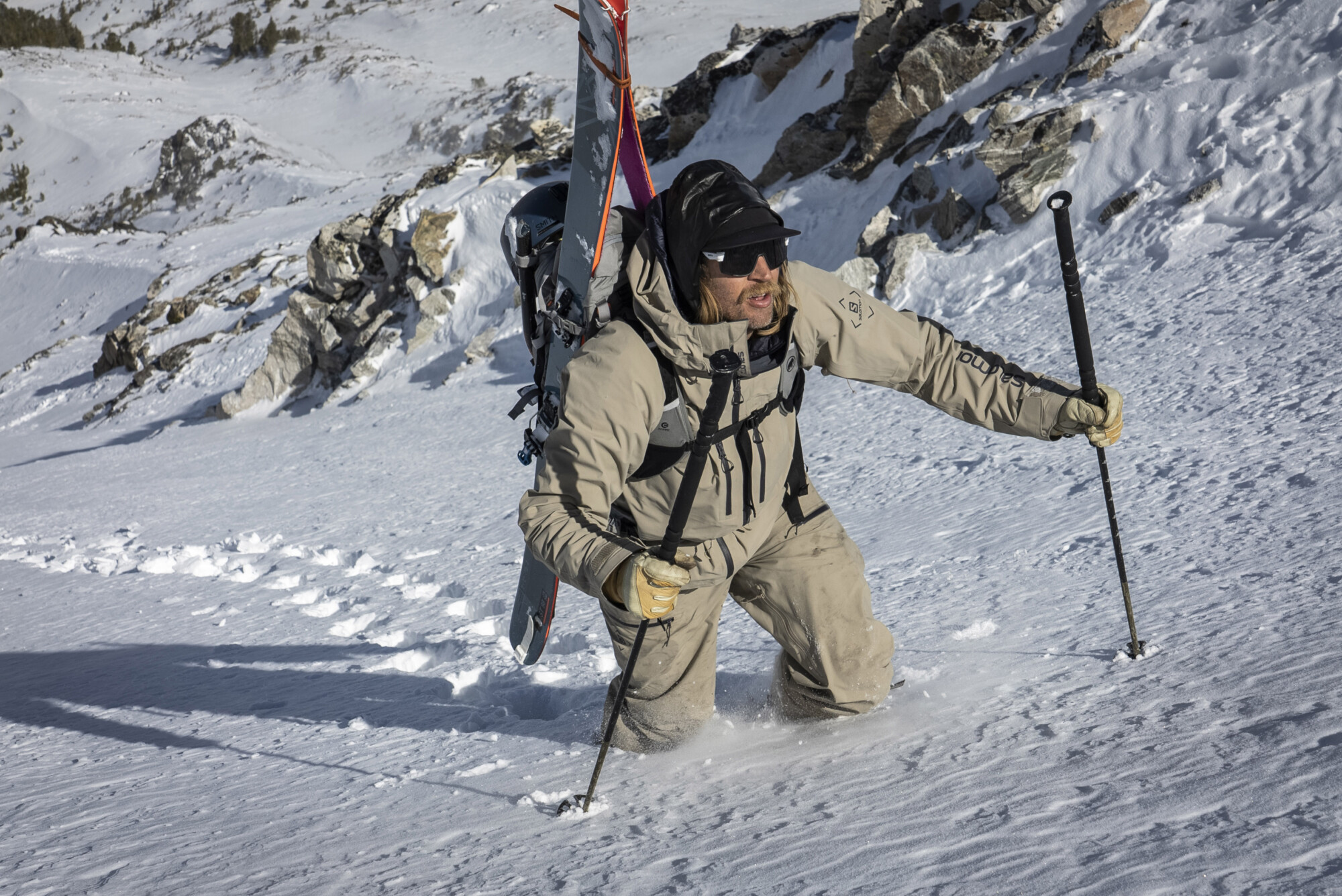
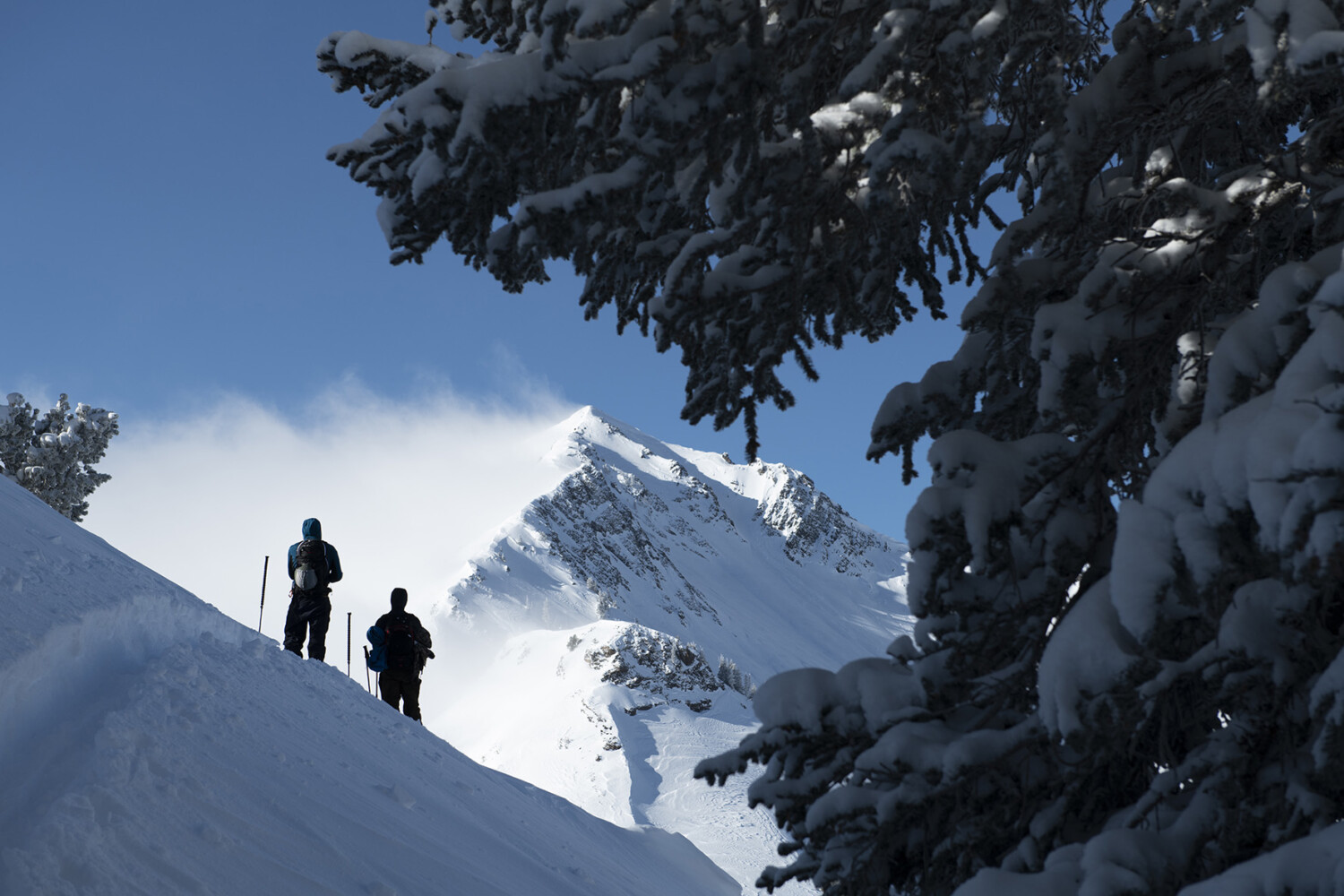
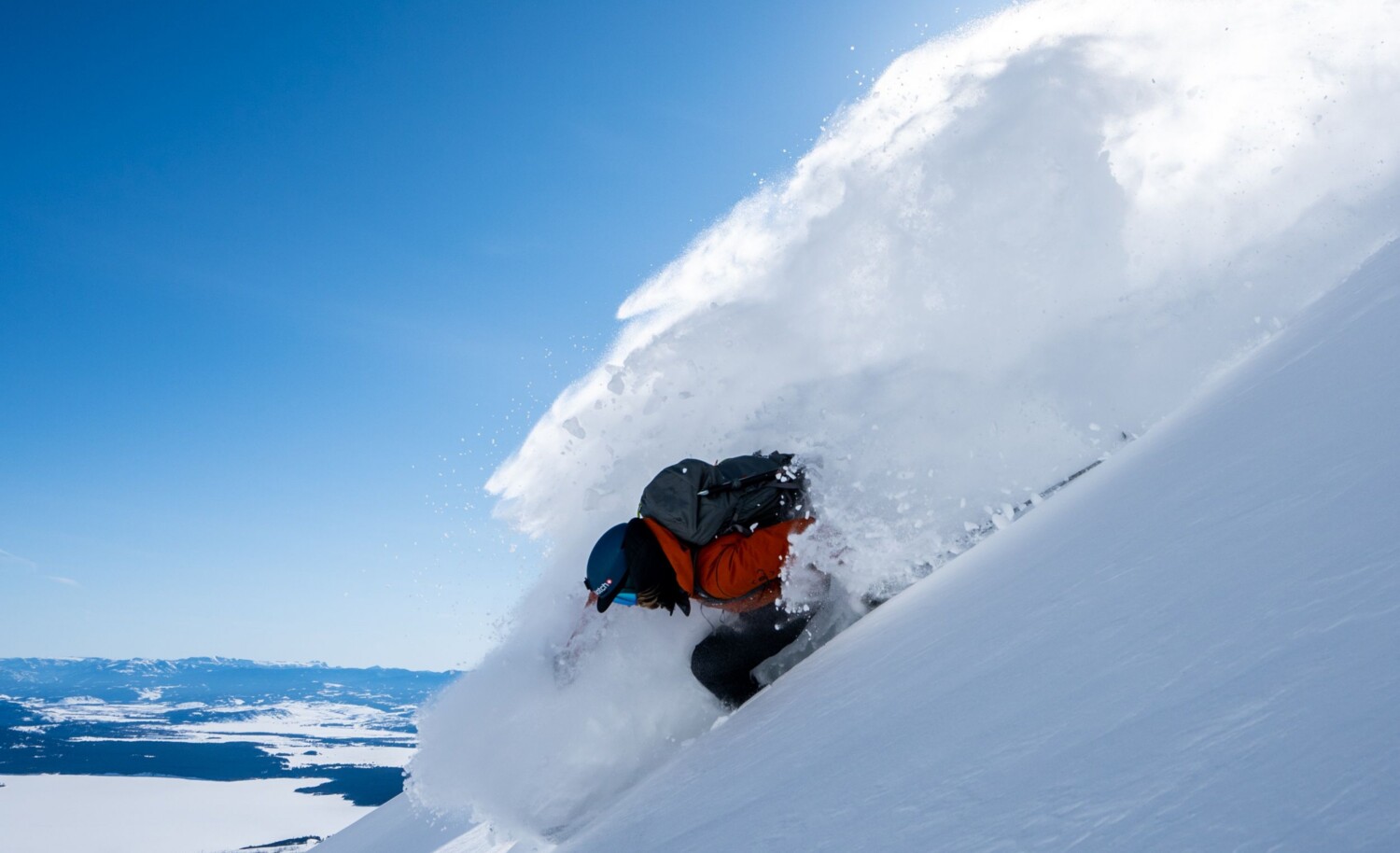
The next morning was our first morning of skiing in Seward. So we flew the heli around looking for new zones with morning light. After one warm up film line on a really mellow mini-face, we flew to a rime covered mini-spine zone. The zone was more of a time killing zone as the afternoon promised far bigger and better lines. In fact it was high noon. A time when most film crews set down for a long lunch or fly home for a break because the light at that time of day is heinous for filming. But we were out pretty deep, the light looked not too bad and we were in Alaska with a helicopter, might as well keep filming.
![]() |
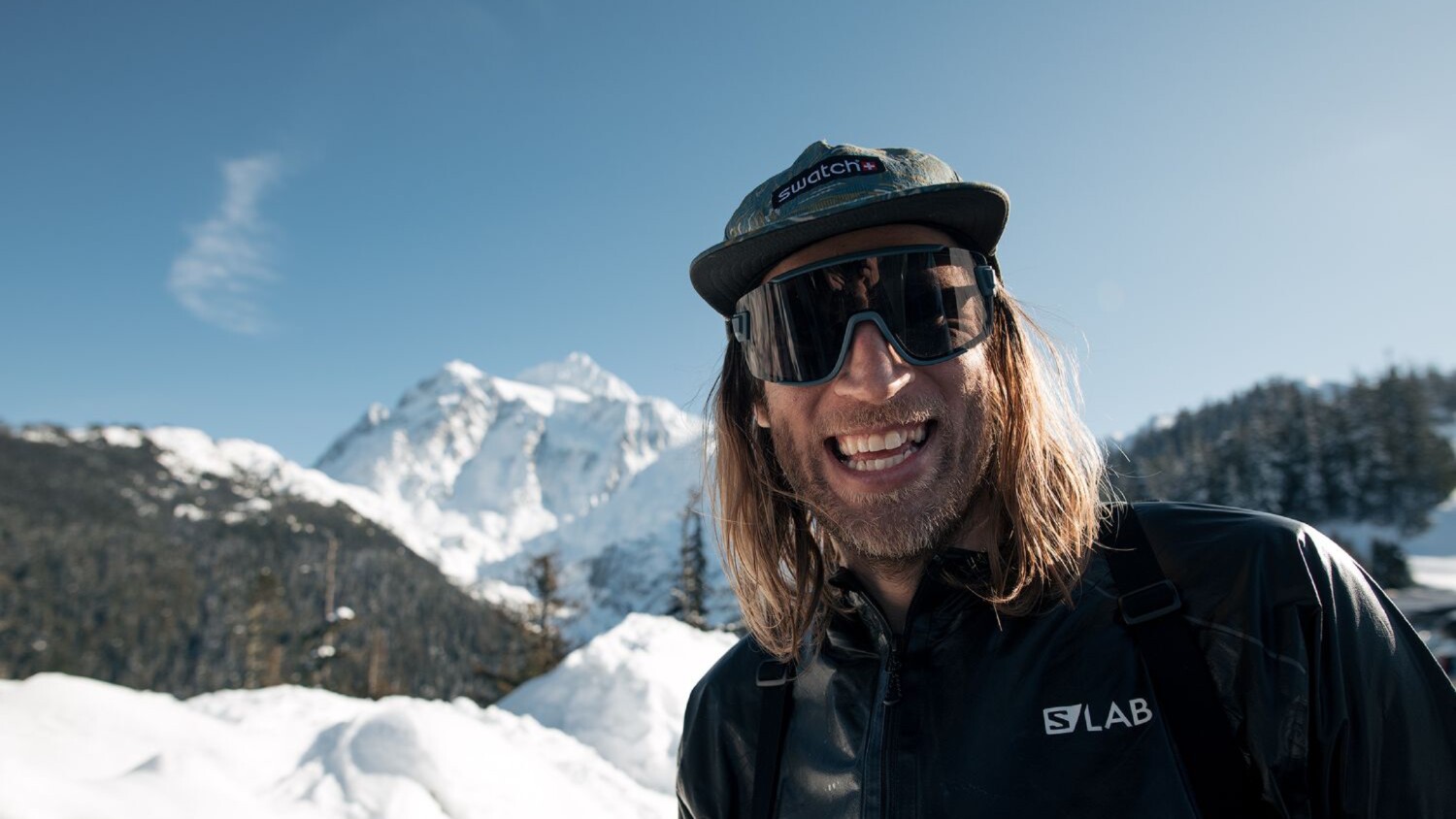
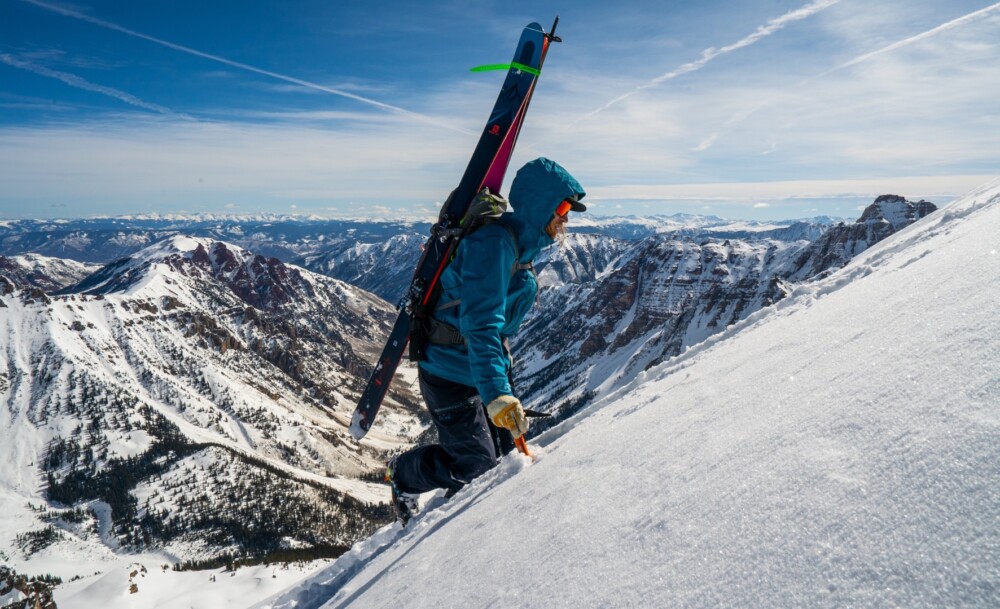
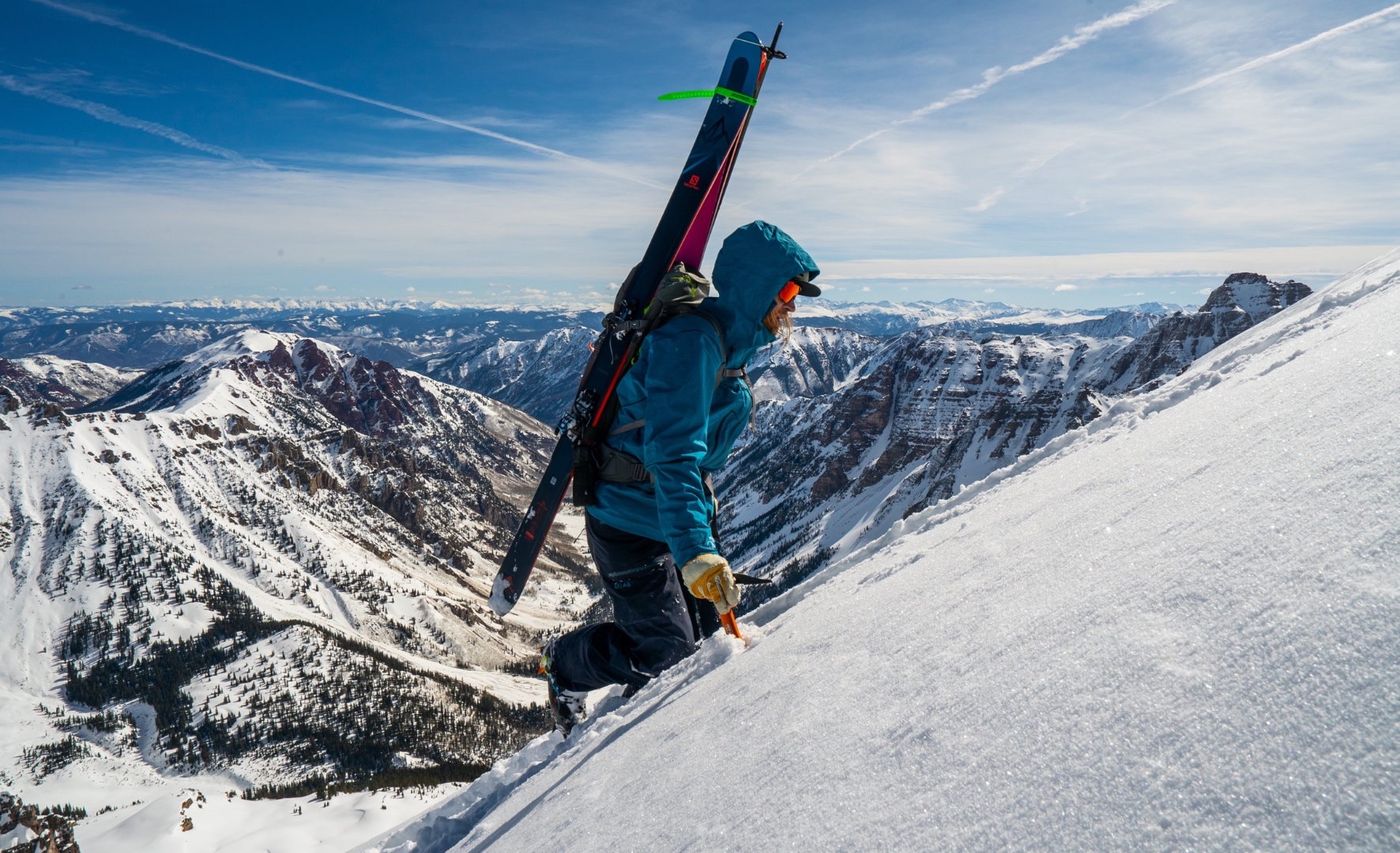
| The views didn't suck. |
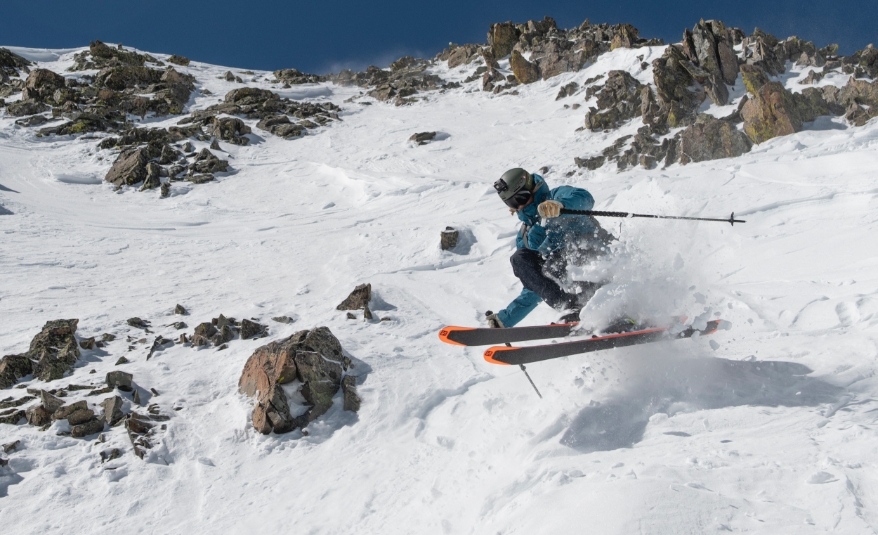
It was a minor fall in the wrong place at the wrong time. I nearly landed perfect. My upper body was slightly over rotated, the landing was a little scooped out and the snow was a little punchy. I crumpled over my body as my knee rotated horribly under my body. If you want a visual explanation of what I was witnessing as I crumpled over my knee, just refer to this; http://youtu.be/jNv7jmljWJk
![]() |
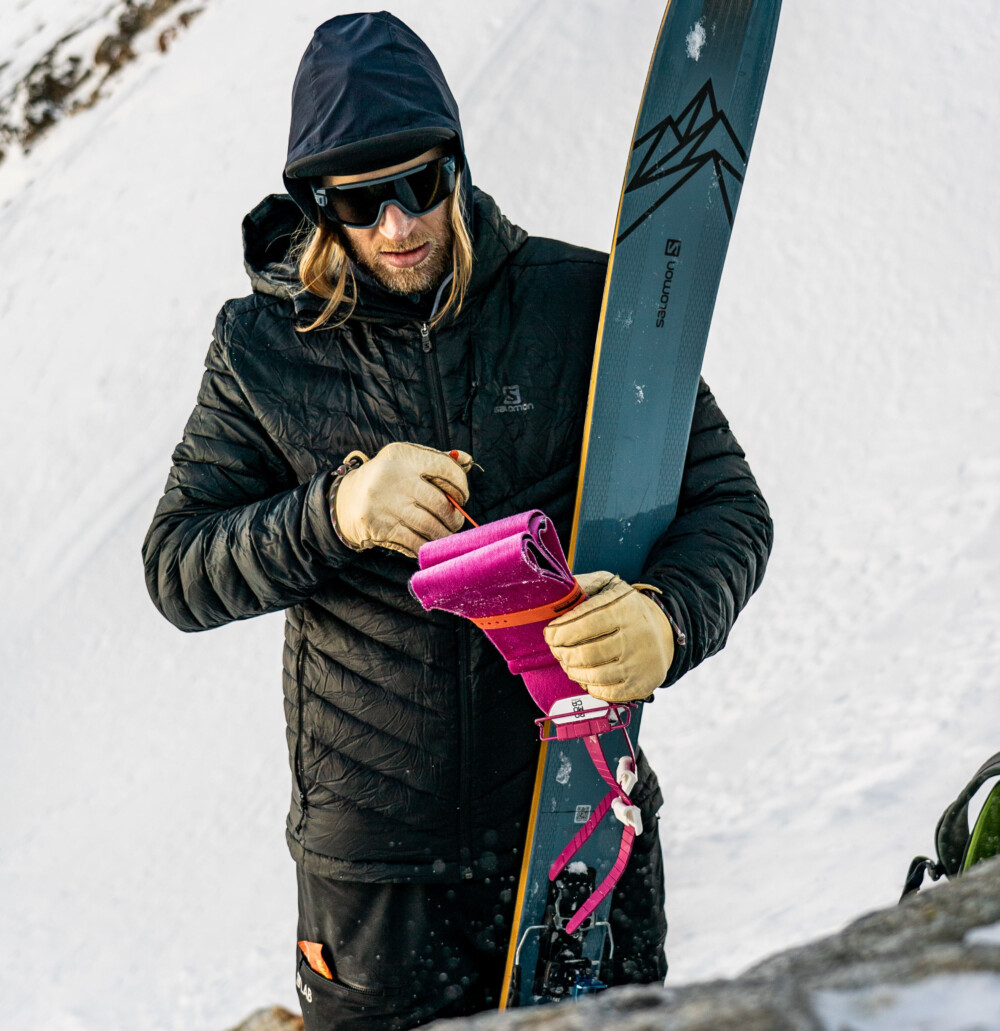
| Morning Day 2. |
Fast forward two and a half weeks. My knee feels amazing. It's stable, not swollen and feels like I could take a jog on it. Two doctors manually tested my knee and came to the same conclusion. Grade 2 MCL tear (it heals itself non-operatively), one big ass bone bruise (that's what hurt like a donkey kick to the dick) and an isolated PCL tear. The subsequent MRI confirmed the manual diagnosis.
But now, I needed to figure out what to do. The research into PCL repairs and injuries is more than a decade behind the more common ACL injury. So along with that comes a wide variety of conflicting opinions. Most PCL injuries are dealt with non-operatively. And the ones that are repair operatively, go through a gamut of opinions on how to repair them.
But as my job puts me in a place of not being "most people" I had a very hard decision to make. Do I destroy the bit of PCL I have hanging on in order to strap in a dead guy's achilles tendon or my own Quadriceps tendon? Or do I rehab like mad and hope the injury heals itself, the laxity go away and this next Winter isn't put in jeopardy by a not perfectly tight knee.
After much discussion with a wide variety of some of the countries best sports medicine gurus, the best option is to heal non-operatively.. The laxity in my knee is less than what the doc even think he can get as a result of surgery. With hardwork and astute training they say I'll be 100% by Winter. There is nothing I work harder for then getting the chance to ski again, so the gym will be my life this summer and I'm excited for the road map of getting back to having fun.
![]() |
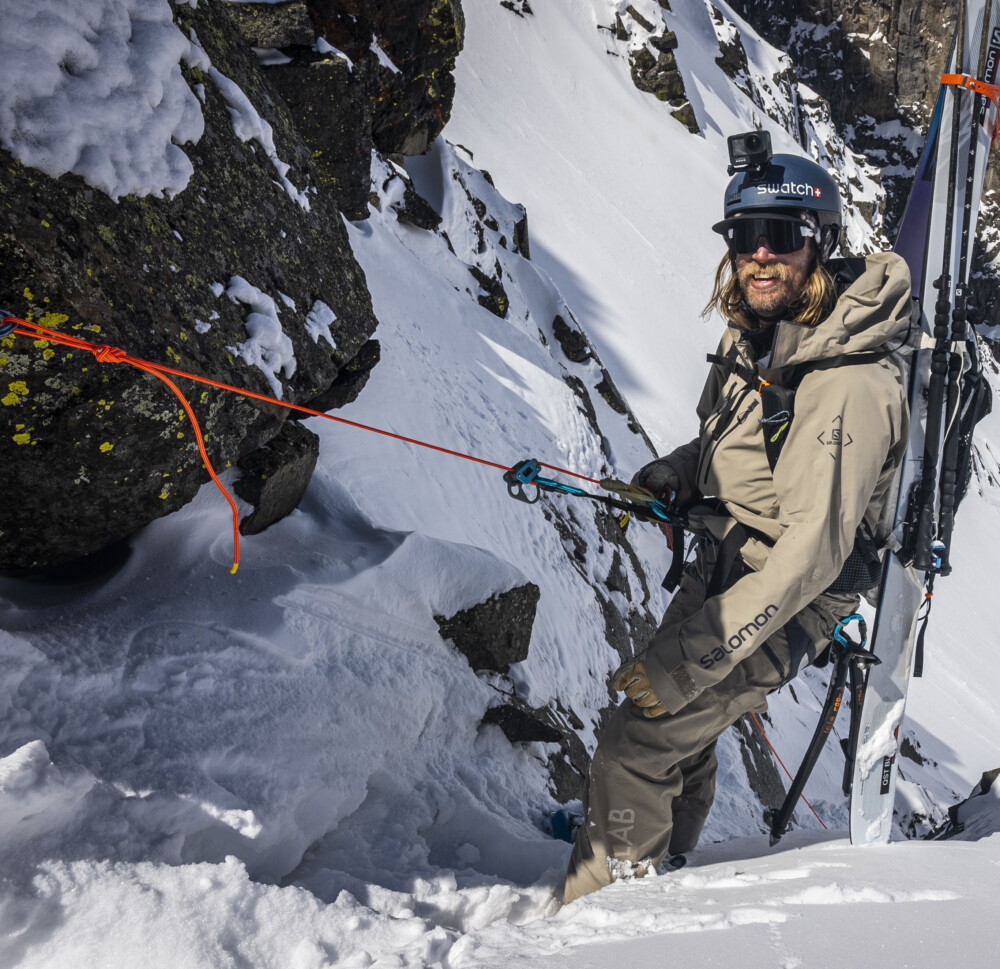
| The zone in which I blewth thy knee. |
One last interesting anecdote to share. I was introduced to a sports medicine doctor, Dr. Jonathan Finnoff, who specializes in non-operative, alternative therapy. But he's not one of those hippy doctors rubbing Deer Antler spray on you. He's a Western trained doctor who moved to Tahoe via the Mayo clinic. After some discussion about the nature of my injury, we came to the conclusion that a PRP (Platelet Rich Plasma) injection directly into my PCL might help promote the healing of my injury. So within ten minutes I was laid out on a table, with a giant needle stuck into the back of my leg literally pumping up my PCL full of PRP. The sensation of filling my PCL with concentrated blood was weird...and surprisingly painful...to say the least. It felt like someone had stuck a balloon in my leg and overfilled it with water. I first I was nervous to even bend my leg because it literally felt like I might pop that overfilled balloon in my leg. While the magic of PRP is just starting to be proven, a PRP injection like mine is quite rare. But supposedly, the concentrated blood gives the injured site a super dose of "healing juice". The concentrated blood gives the body more oxygen, white blood cells and nourishment to not necessarily speed along the healing process but provide a more thorough and sustained healing process with less scar tissue build up and more healing tissue build up. So here's to hoping our little experiment works.